Welcome to Sourdough September

Welcome to Sourdough September, a month that celebrates sourdough created by the Real Bread Campaign in 2013 to raise awareness of this fabulous super bread and encourage people to appreciate real sourdough by making their own or seeking out genuine sourdough to purchase.

So why bother? It’s just bread isn’t it? You may be thinking that sourdough is ‘trendy’, just a load of hype, and really not worth the faff of making your own. Well, let me tell you a bit more about it and reassure you that it’s totally worth it! I’m Elaine from Foodbod Sourdough and hopefully I can answer those questions for you..

Firstly, let’s address the hype:

It may seem like sourdough has had a revolution recently, but even before lockdown it was gaining a constant momentum, but sourdough is not new, it is the actually oldest form of risen bread, dating back thousands of years. Before sourdough all bread was flat, made mostly with just flour and water. I like to think that one day someone left some mixed flour and water untouched for longer than they meant to and saw it rise and bubble, and bingo, the first sourdough starter was born, as was the advent of risen bread, and with it, a more satisfying kind of bread, something with more chew and fulfilment, and far healthier than any other. 

That mix of flour and water that grew and bubbled away did so due to the natural wild yeast in the flour fermenting with the water, when this is then mixed with a bigger portion of flour and water to create dough, the same effect occurs, but because it’s a bigger mix, the fermentation takes longer and during this time it starts to break down the gluten in the flour and as a result makes sourdough the most easily digestible bread there is; if you’ve ever eaten bread and become bloated and lethargic as a result, try eating sourdough instead because due to the effect of breaking down the gluten, you won’t get the same outcome, it will be much more gentle on your stomach. Sourdough also has a lower glycemic index so it doesn’t spike blood sugar levels, and provides more nutrients than non sourdough bread.

And if you don’t find any of that a good reason to try sourdough, it’s also a lot more fulfilling and satisfying than other bread due to the texture and chew that it provides, and the fact that it’s a good source of protein. So if you want to eat the best form of bread, make it this one.

So yes, it deserves the hype!

Secondly, let’s address the faff: 

Many people have over complicated the process of making sourdough, adding unnecessary steps, fear, stress and ‘faff’ to what in reality is a simple and enjoyable process. As a result people approach making sourdough with fear and low expectations, but it doesn’t have to be that way.

Which I where I come in – I take all of that faff and completely disregard it. You can take a huge percentage of what you’ve read about making sourdough and ignore it. You don’t need a science degree, you don’t need to pay a babysitter to look after your starter, you don’t need to give up all of your free time, you don’t need to get up in the middle of the night, you can easily and simply make sourdough in any kitchen, in any part of the world, with equipment you’ve probably already got, and without it invading your home life. You have full control of the whole process and can produce this bread to fit the requirements of your tastes and home. Tapwater, a clean jar with a fitted lid, and some good flour, and you’re ready to go. 

So if you fancy making some of this fabulously tasty, healthy bread, in the simplest possible way, check out all of my information online, check out all of my resources:

Website: https://foodbodsourdough.com/

Instagram: https://www.instagram.com/elaine_foodbod/

YouTube: https://www.youtube.com/c/foodbodSourdough

Most importantly, enjoy it all!
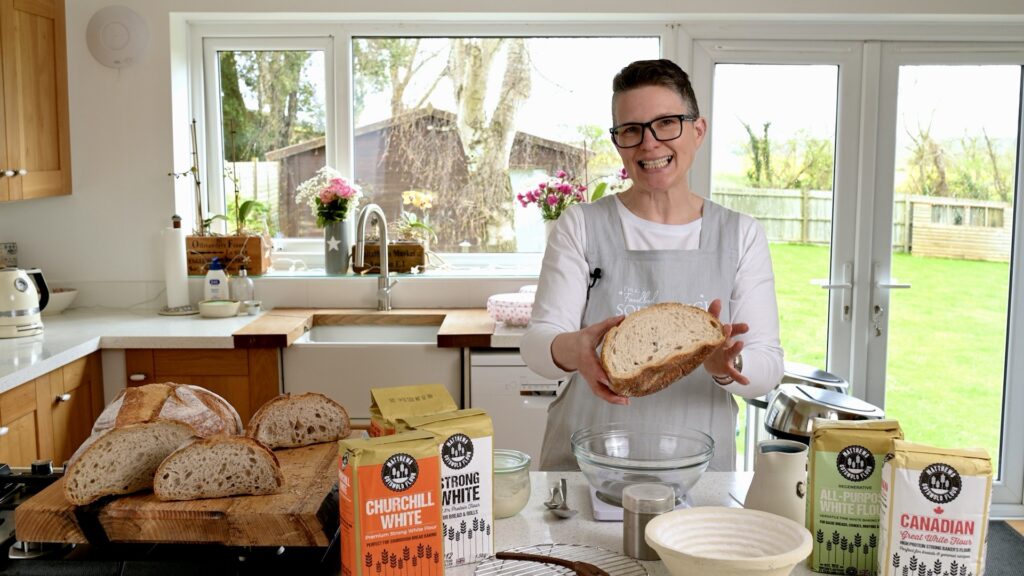
The video collection

You can now find a full set of videos on my YouTube channel to take your from making your starter to your first loaves and beyond. Plus there’s videos answering all of the most frequently asked questions that I receive. You can find it all on my channel, Foodbod Sourdoogh, or use the links below.

Whatever you need, between my videos and my books, I’ve got you covered!

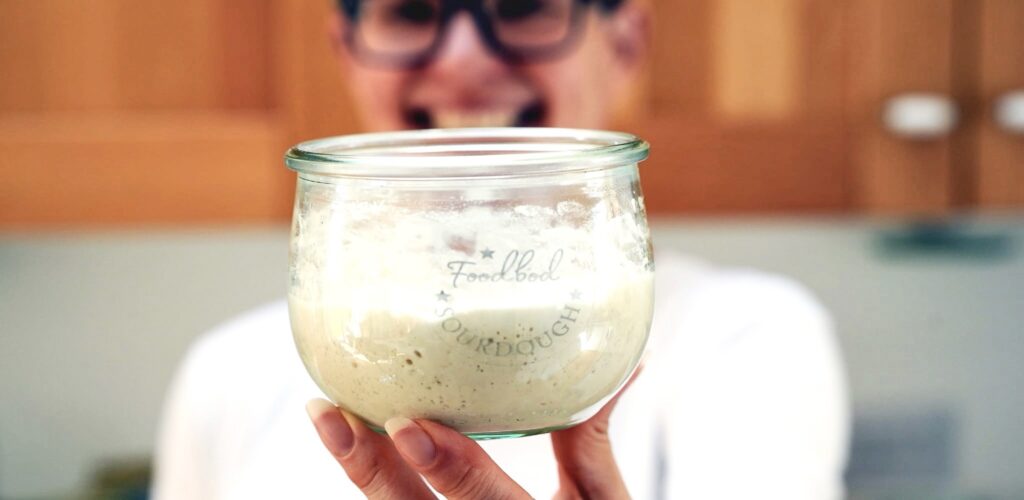
ALL ABOUT SOURDOUGH STARTER

To read how to make a starter (full written steps): CLICK HERE

To watch how to make a starter (full step by step video): CLICK HERE

To hear and see the answers to your Frequently Asked Questions about Starters: CLICK HERE

For everything you DON’T need to do with a sourdough starter, and how to keep it really simple, watch my full series of videos:

Ep 1

Do I need to keep it at a certain temperature?

Do I need special equipment?

Do I need special water? 

CLICK HERE FOR THE ANSWERS

Ep 2

Do I need to change my sourdough starter jar? 

Do I need to feed my starter more? 

Do I need to discard my starter?

CLICK HERE FOR THE ANSWERS

Ep 3

Do I need to Use Ratios? 

Do I need a big jar of starter? 

Do I need to portion out my starter?

CLICK HERE FOR THE ANSWERS

Ep 4

Should I throw my starter away? 

Do I need to feed it weekly? 

Does someone need to look after it for me while I’m away?

CLICK HERE FOR THE ANSWERS

Ep 5

Do I need to add anything to my starter? 

Should I be worried about my starter? 

Do I need my starter to get up to room temperature?

CLICK HERE FOR THE ANSWERS

Ep 6

Does my starter need to be at its peak? 

Do I need to start all over again?

CLICK HERE FOR THE ANSWERS

Ep 7

Do I need more than 1 starter?

Should I blame my starter? 

Who do I listen to for the best starter advice?

CLICK HERE FOR THE ANSWERS

ALL ABOUT MAKING THE DOUGH and THE LOAVES

To read my full written master recipe: CLICK HERE

To watch my full master recipe in action: CLICK HERE

To hear and see the answers to your Frequently Asked Questions about dough and loaves: CLICK HERE

ALL ABOUT SHAPING DOUGH

Watch everything you need to know about how to shape your dough: CLICK HERE

ALL ABOUT OVER PROVING

Watch everything you need to know about what over proving is, why it happens, how to prevent it, and what to do if it does happen AND making sourdough in hot weather: CLICK HERE

ALL ABOUT USING DIFFERENT FLOURS

For Everything you need to know about using new flours or adding different flours to my master recipe: CLICK HERE

ALL ABOUT ADDING EXTRA INGREDIENTS

For Everything you need to know about adding extra ingredients and flavours to my master recipe: CLICK HERE

ALL ABOUT SANDWICH LOAVES

To watch how I make my sourdough sandwich loaves: CLICK HERE

ALL ABOUT BABY LOAVES

To watch how I make my baby master recipe loaves and my baby cube loaves: CLICK HERE

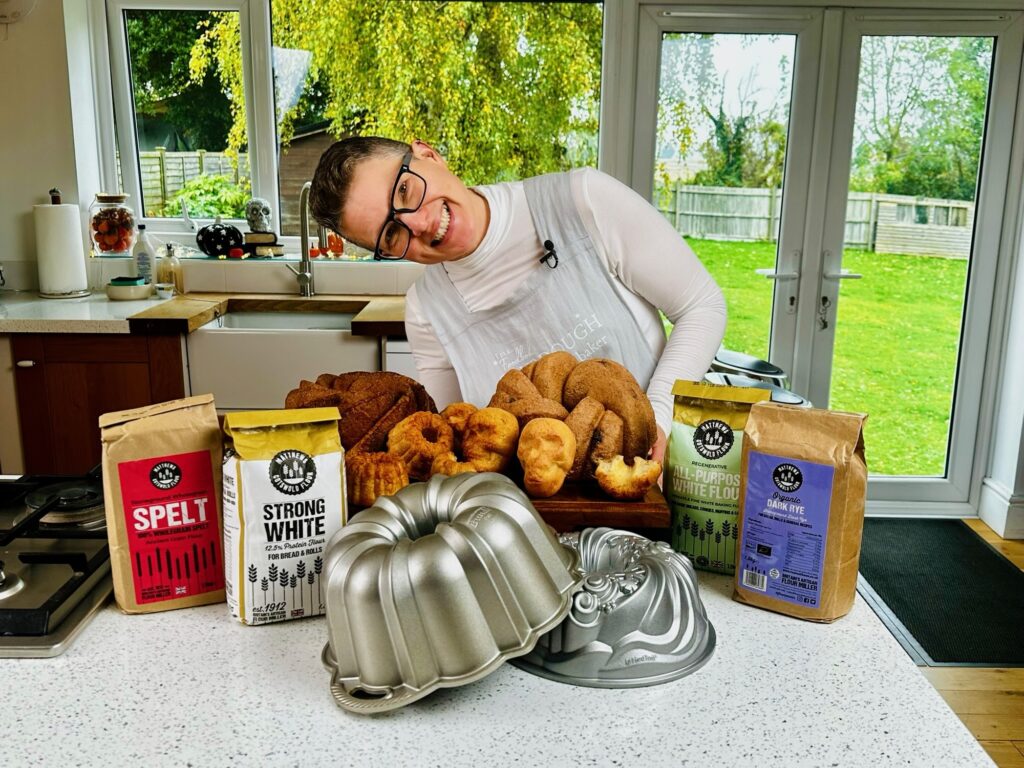
ALL ABOUT BUNDT PAN LOAVES

To watch how I make sourdough loaves in Bundt pans: CLICK HERE

Everything but the Bagel Crackers

SNEAK PEEK RECIPE 🌟 today I am sharing one of the recipes coming in my new book…as requested, the book includes a selection of ‘discard’, or fast, recipes for making tasty goodies simply with your starter. I hope you like them – be warned, they’re very tasty and very easy to eat, and also easy to make ahead and bake when you’re ready.

My new book, The Sourdough Bible, is available now to pre order HERE

Everything but the Bagel Crackers

Sourdough crackers are so popular, I couldn’t produce a “bible” without including some. These are made using Everything but the Bagel seasoning, which I have also used in the Everything but the Bagel Sesame-Crusted Baby Loaf in the book, to ensure that you get more uses out of the ingredients that you may have needed to buy for my recipes. These crackers are truly moreish; they also keep well in a tin if you do have leftovers.

Equipment:
Digital scale,
Medium-sized to large mixing bowl,
Rolling pin,
Pizza cutter,
2 large baking sheets, lined with parchment paper

Makes 40 to 45 crackers, depending on the size you cut them into

200 g (1 cup) starter in any form: fed for the purpose/unfed/discard
150 g (¾ cup) all-purpose flour or strong white bread flour, plus more for dusting
25 g (⅛ cup) oil of your choice, I used olive oil
25 g (⅛ cup) Everything but the Bagel seasoning blend (shop bought or you’ll find simple recipes for making it online and in my book, it’s a blend of sesame seeds, salt, dried garlic, dried onion, black sesame seeds and poppy seeds, very aromatic and very tasty!)

Note:
No additional salt is needed, as the seasoning is very salty.

Step 1: In a medium-sized to large bowl, combine all the ingredients and mix well. The mixture will seem dry, but it will come together to make a firm ball of dough.

Step 2: Cover the bowl with a shower cap or cover of your choice and place it in the fridge for at least 1 hour, or up to 24 hours.

Step 3: When you’re ready, place the dough onto a floured surface and roll it out to ⅛ inch (3 mm) thick or a little less.
Use the pizza cutter to cut the dough into 1-inch (2.5 cm) strips, then cut them into 1½-inch (4-cm)-long pieces. I cut mine at a diagonal, purely for aesthetics.

Step 4: Place the cut pieces on the prepared baking sheets—they can be placed close together but should not overlap.

Step 5: Prick each piece twice with a fork to prevent them from puffing when they bake.

Step 6: When you are ready to bake, decide whether you would like to bake in a preheated oven or from a cold start. If preheating, set the oven to 350°F (180°C) for convection or 375°F (200°C) for conventional.
If you preheated the oven, bake, uncovered, for 7 minutes.
Carefully remove the pan from the oven, turn the crackers all over and bake for a further 7 minutes.
If using a cold start, bake uncovered for 12 minutes on one side. Carefully remove the pan, turn the crackers all over and bake for a further 7 minutes.

Step 7: Once baked, allow the crackers to cool briefly and serve. Or cool completely and place in a tin for later.

The tips and guidance I share the most…

These are some reminders and tips from the conversations I’ve had, and things I’ve been asked recently, but these are also the things I am asked about the most often, they are all things I’ve said many times before, but they may be a useful reminder for you, or they may be new to you if you’re new to me ☺️

🌟 These tips are all based on using my standard master recipe and are based on my own practices and methods.

In your dough:

🌟 if it’s hot where you are, or in your kitchen, use less starter in your dough to prevent over proving
🌟 if it’s humid where you are, or in your kitchen, use less water in your dough to prevent it from being bubbly and sticky and impossible to handle and shape
🌟 if it’s hot AND humid use less starter AND less water
🌟 in all 3 of the above, nothing else in the recipe needs to change only those aspects

🌟 if your water is soft, use 25g less water in the recipe
🌟 if your water is hard, nothing needs to change
🌟 if you’re using organic or supermarket bread flour use 25g less water to prevent soft unmanageable dough

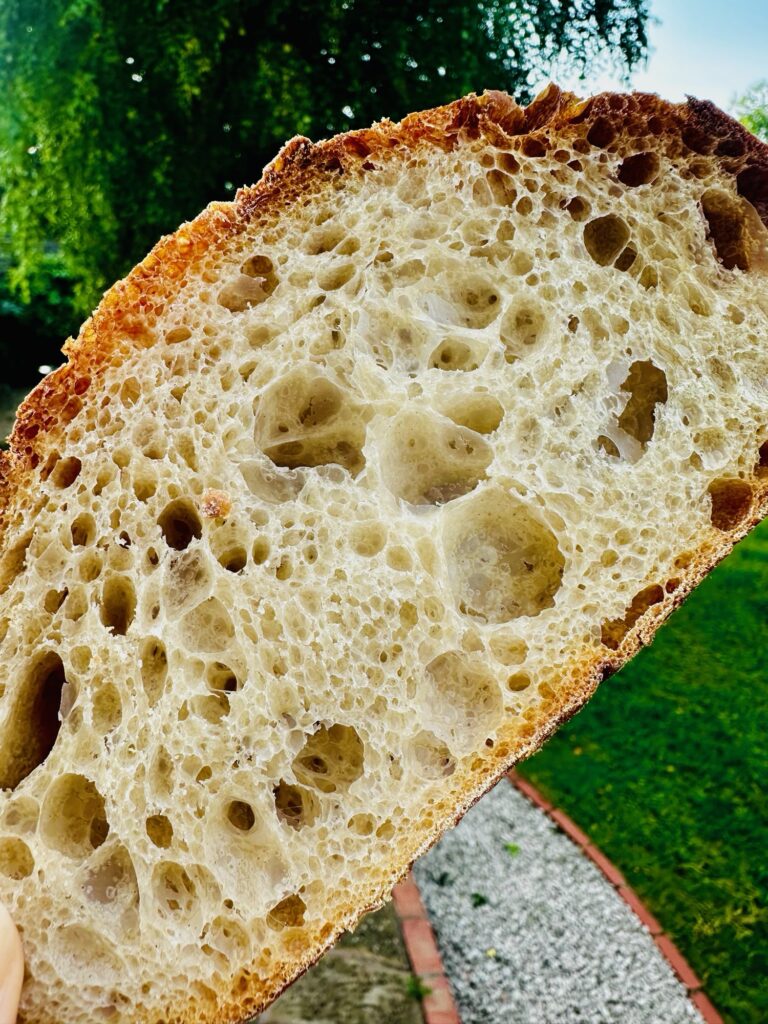
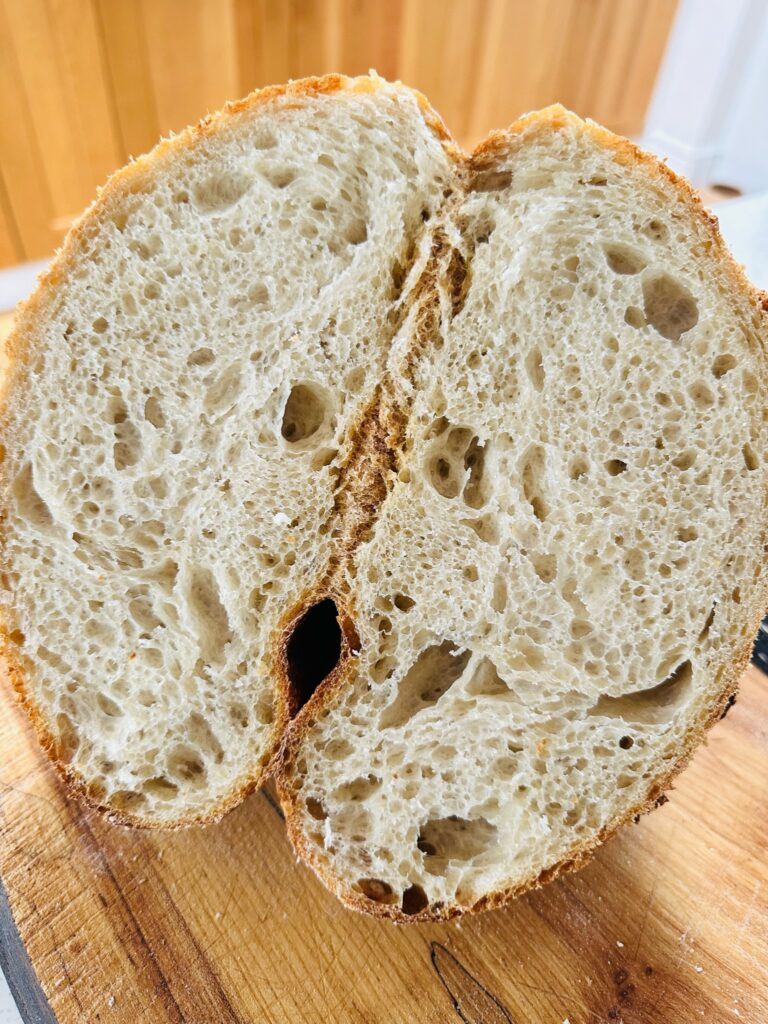
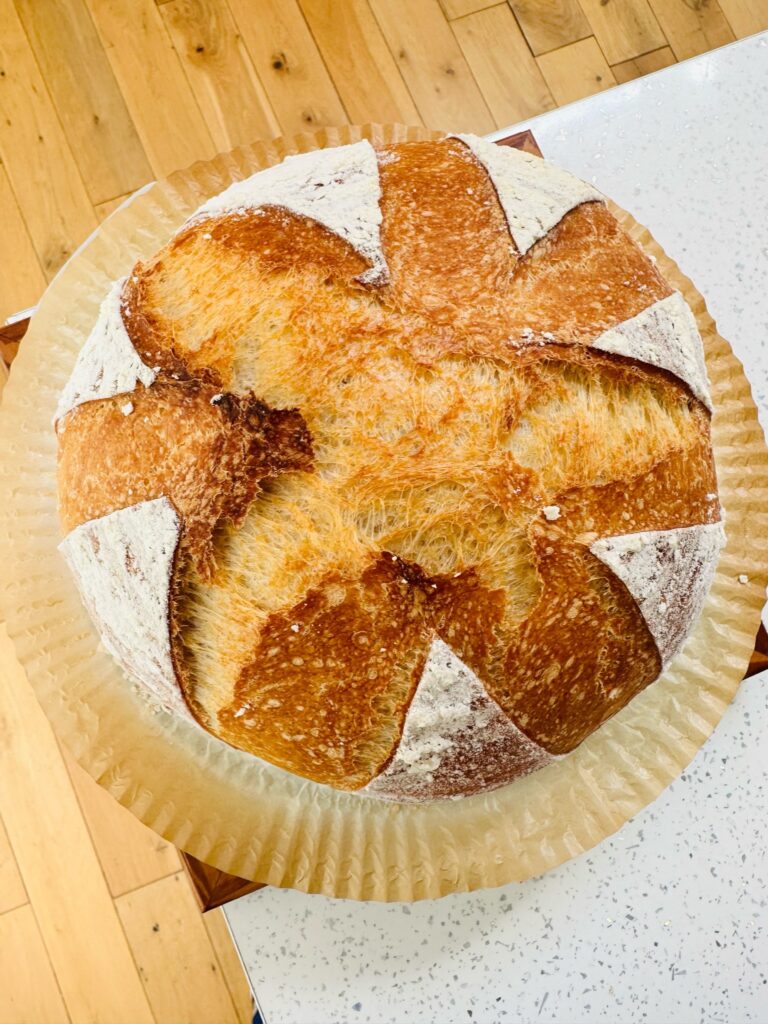
🌟🌟 the loaf in this photo above was made with 10g of starter
🌟🌟 less starter does NOT equate to less flavour or texture (as this photo shows), less starter always mean MORE flavour as the dough works harder which creates more flavour
🌟🌟 more starter does NOT mean more flavour, all it means is more risk of over proving at any time of the year

In your starter:

🌟 if it’s hot where you are, or in your kitchen, don’t leave your starter on the counter for too long, watch it carefully and once it’s started to grow and is responding put it into the fridge, it will keep growing just more slowly
🌟 if it’s hot where you are, or in your kitchen, use less water in your starter than flour to prevent it from becoming thin in the heat, as above
🌟 if it’s humid where you are, or in your kitchen, using less water in your starter if it’s getting too thin from the added moisture in the air
🌟 don’t be afraid to give your starter what it needs, ratios are not necessary, equal weights are not necessary if your starter needs different input
🌟 thick is always better than thin in a starter, a thin starter won’t rise and won’t lift your dough
🌟 if you’re making a new starter these things also apply, learn to watch your starter and see what it needs

I hope these help!

For more tips and help read more of the posts here on my website.

These are also some of the posts I send people the most often to assist their sourdough making:

Why does dough spread https://foodbodsourdough.com/why-does-my-dough-spread/

Gummy loaves https://foodbodsourdough.com/gummy-loaves/

It’s about the dough not the lame https://foodbodsourdough.com/its-often-about-the-dough-not-the-lame/

How long: https://foodbodsourdough.com/how-long/

Don’t blame starter: https://foodbodsourdough.com/dont-blame-your-starter/

How to make a starter: https://foodbodsourdough.com/how-to-make-a-starter/

My master recipe: https://foodbodsourdough.com/the-process/

Hot temps: https://foodbodsourdough.com/making-sourdough-in-hot-temperatures/

Heat and humidity: https://foodbodsourdough.com/making-sourdough-in-hot-and-humid-environments/

FAQ: https://foodbodsourdough.com/faq/

The new season of my podcast starts HERE and we’re talking SOURDOUGH!

I am very excited to announce the new season of my podcast, The Foodbod Pod, and this year we’re packing in LOTS of sourdough chat. Recipes, answers, hints, tips, we’ve got them all. Listen from the links below to hear what we’ll be bringing you – and my latest bigs news 🤩

Listen here and enjoy!

Or on Apple, Podbean, Spotify, Amazon, Google and other platforms.

Brought you in partnership with Matthews Cotswold Flour and Shanas Sourdough.

For everything you need to make fabulous sourdough: we’ve got you covered!

BIG NEWS!!

🌟 PLEASE READ 🌟 Exciting news for all sourdough bakers:

🌟 Season 2 of my podcast, The Foodbod Pod, is about to begin and this year we’re focusing heavily on our glorious SOURDOUGH! Yes! If you love sourdough, have questions, love my tips, fancy expanding your sourdough knowledge and listening to me chat all about it, you’re going to love it! It’s going to be FABULOUS!

You’ll find various links below where you can listen to all of last season episodes and subscribe ready for the upcoming season.

🌟 And and and…we return this year with our partner and sponsor Matthews Cotswold Flour and a brand new partner, Shana’s Sourdough. We are very excited about the new season, we’ve got everything covered for you, I hope you’ll love it!

🌟 So find us and subscribe ready for the first episode at the end of March and hear my next exciting news! 😉😉

Find us on these links or your preferred podcast platform:

🌟🌟 APPLE : SPOTIFY : PODBEAN : AMAZON : GOOGLE 🌟🌟

The Foodbod Pod is brought to you in partnership with Matthews Cotswold Flour and Shana’s Sourdough. Bringing you everything you need to make fabulous sourdough with my recipes and methods.

A plea to stop over heating starters…

This is a copy of a post I added to my Facebook page that I am copying here because I want it logged on my website too…

This autumn and into winter, I have seen a real trend for overheating starters, and consequently many poor starters are over fermenting, and getting thin and hungry as a result from being too warm for too long.

The fact is: A thin starter is a weak starter and will not lift a dough. And by putting starters in so much warmth for so long that’s what will happen.

So please pass this onto anyone you think it might help:

First and fore mostly, please tell anyone that you see doing do so, to stop putting their starters in warm places, places like ovens with pilot lights on/the top of the fridge/the airing cupboard/near the stove/by your Aga/or by wood burners, for hours on end, and days and nights at a time. It’s much too warm for much too long. The starter will ferment like mad and get thin and weak as a result.

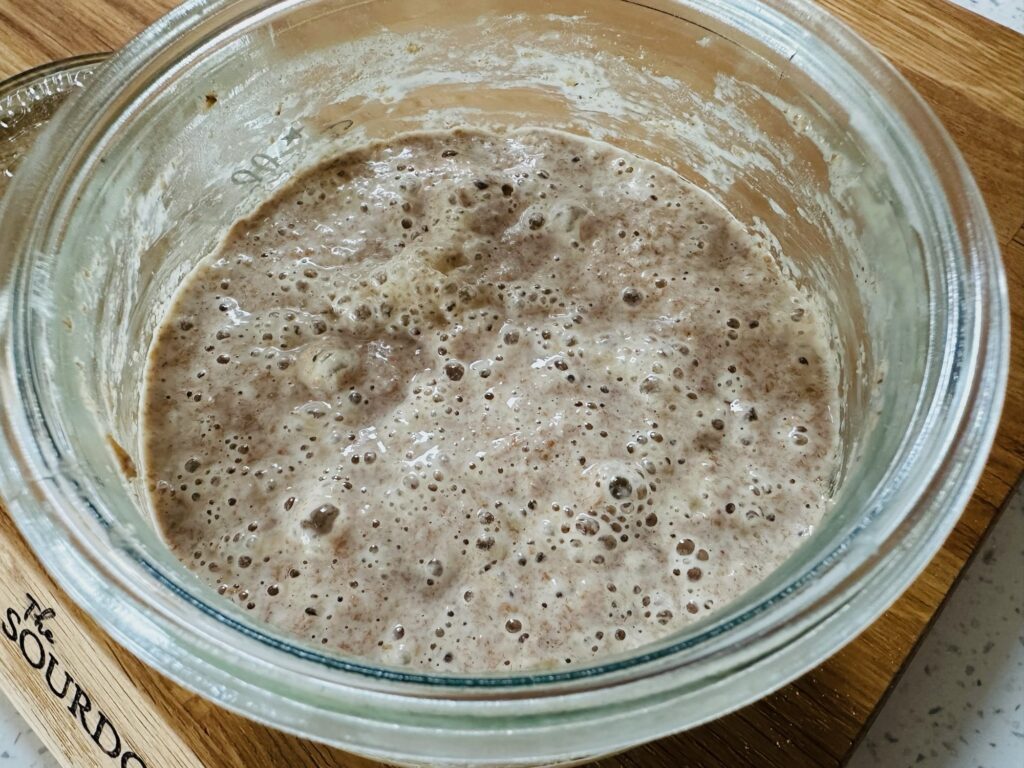
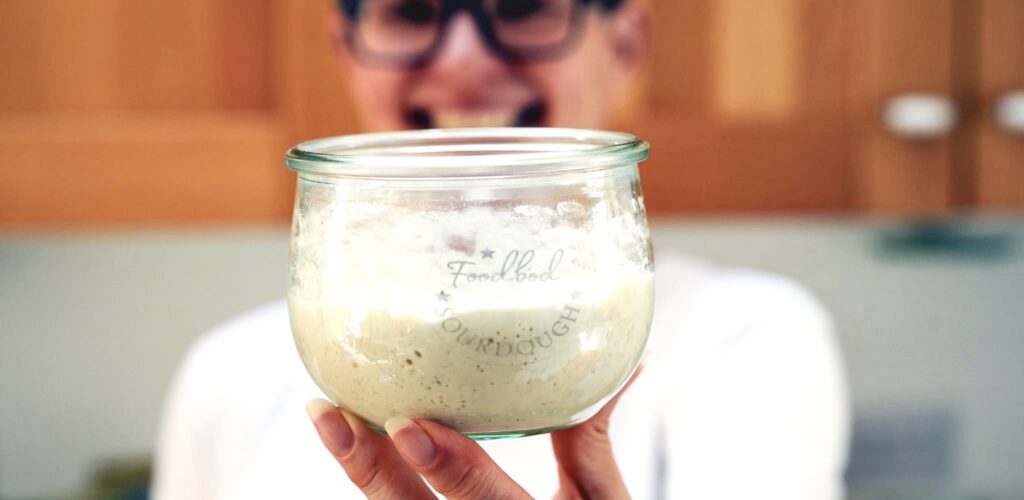
I understand that people worry when it gets cold, but I’ve just made 14 brand new starters in my kitchen over the last week, including the one above, and they all just sat on my kitchen counter, at whatever the temperatures happened to be, which happened to be between 13C – 19C that week, and did their thing very happily. I didn’t put them anywhere special, or anywhere warm, just on my kitchen counter.

The fact is: They really do not need to be coddled so much.

A little bit of warmth is fine, but mostly your kitchen counter, or some part of your kitchen, is ideal. You don’t need special gadgets or anything else just your kitchen counter.

I understand that people worry about starters, especially new ones, but they really are far more resilient than people think, just give them a chance to do their thing…yes, some need tweaks along the way, but they don’t need to be cooked.

These are the facts:

If your starter is growing quickly, getting almost frothy, it’s too warm.
If it’s got a layer of dark liquid on the top, it’s too warm.
If it’s got a flat surface with teeny tiny bubbles it’s become thin from being too warm.
If it smells very strongly of acetone, or just very strongly at all, it’s too warm.

These scenarios can all be fixed by feeding your starter less water than flour, making it nice and thick again, then continuing on with the process, on the counter.

Follow the process, follow my tips, and it will be fab!

How to make a sourdough starter, the full step by step video…

You can now watch the full steps of how to make a sourdough starter on my YouTube channel, everything you need to know all in one place!

Find it HERE

Happy making!

Some top tips for your dough making..

Give your dough the time it needs to fully prove.

Watch your dough and not the clock, this is key to ensuring the dough proves as it needs to.

Do not leave dough on the oven overnight with the light on, it’s too warm for too long and it will over prove.

Give your dough time to double overnight; depending on the temperature overnight this may take shorter or longer than my usual times stated in my master recipe.

But if your dough does over prove, use it to make fabulous focaccia or flatbreads. NEVER EVER throw dough away, always use it.

If you dough spreads when you turn it out in the pan, but bakes up to a lovely loaf, don’t worry about the spreading, enjoy your loaf.

If your dough does not look like mine but bakes to a fabulous loaf, that is perfect, it does not matter what the dough looks like if the loaf is everything you hoped for.

Sourdough is a wonderfully slow process, let it happen and enjoy it, it will be worth it.

If you do not have a banneton, line a same sized bowl with a clean tea towel and sprinkle it with rice flour.

If you do not have rice flour, grind some uncooked rice, it is the same thing.

You can use any covered oven proof pan just make sure it is big enough.

You do not need to preheat your oven, or your pan.

Always my biggest and most important tip: If it tastes good IT IS GOOD!

Do not focus on looks and holes and scoring, they do not make it taste any better, plus sourdough is not defined by having ears, or being big round loaves, or full of holes. Sourdough is bread that has been made with a sourdough starter, that is it.

Enjoy what you are creating, do not spoil it by being pulled into the beauty contest.

But, if your loaves are not as you hoped, there?s always ALWAYS a particular reason and an easy tweak.

Check out all of the info throughout my site about flour, weather, scoring, storing, the FAQs, baking times takes, there is lots of free info here for you.

These are just some of the tips I share regularly, but are hopefully useful. Happy baking!

Making my master recipe in a mixer..

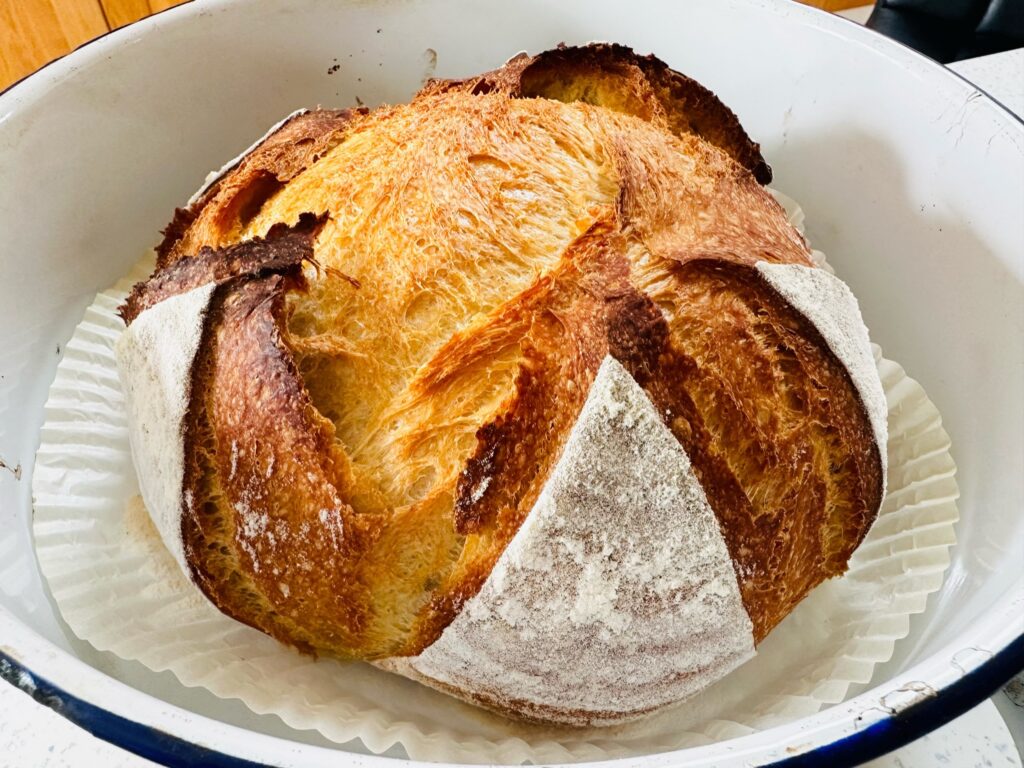
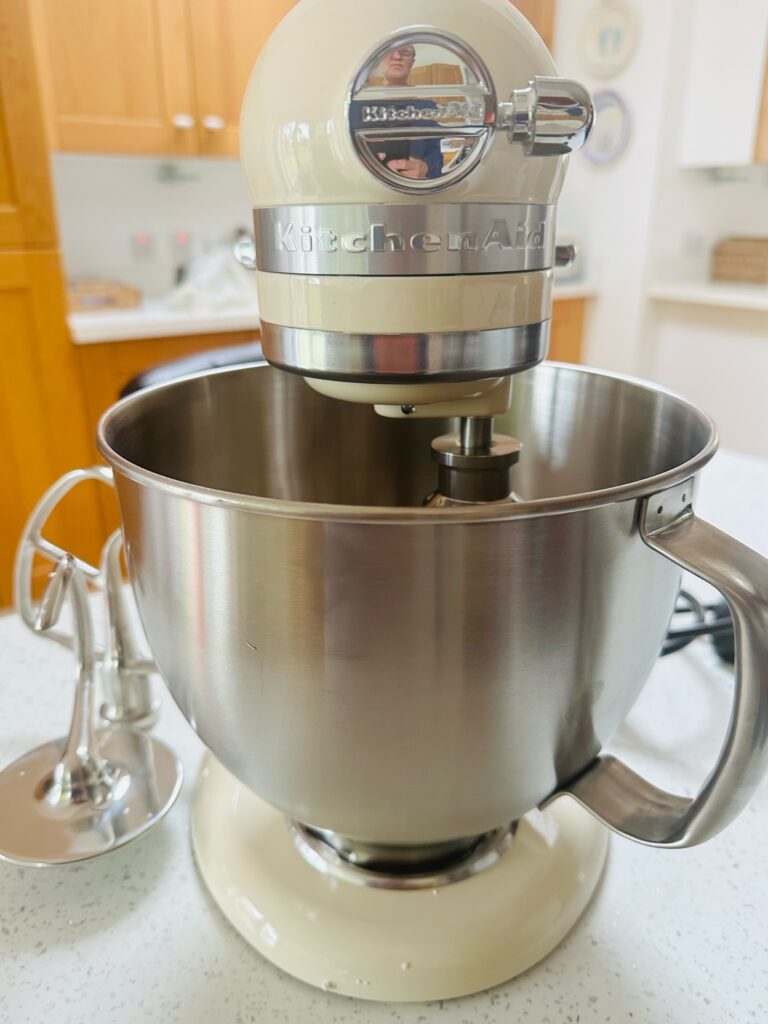
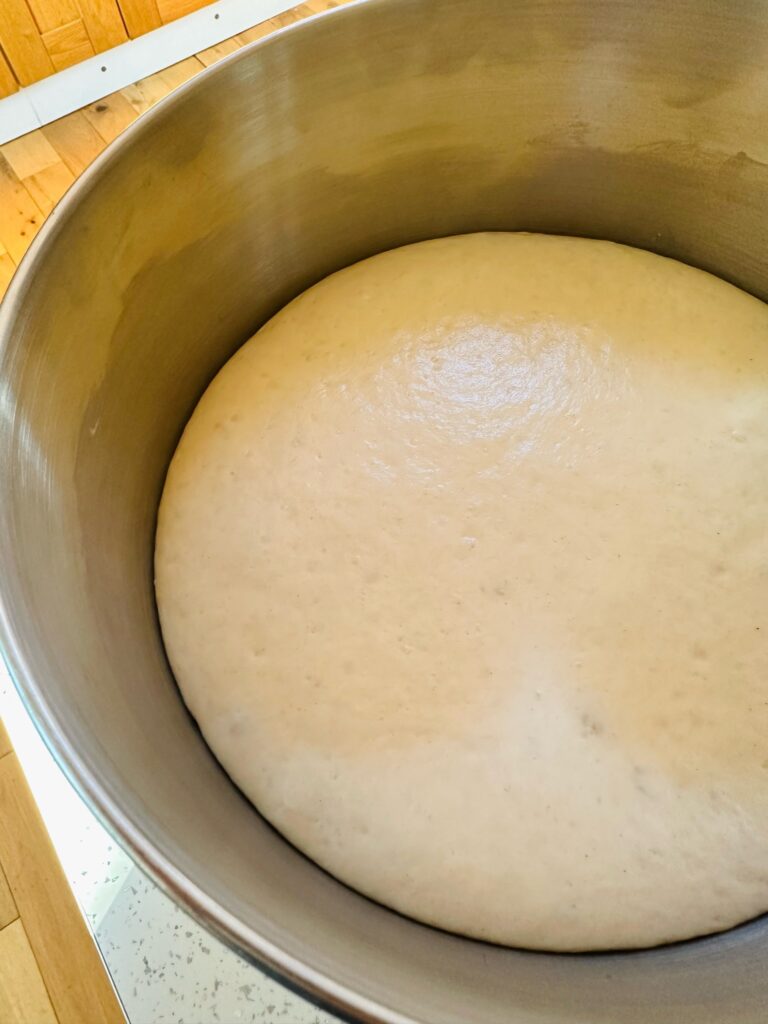
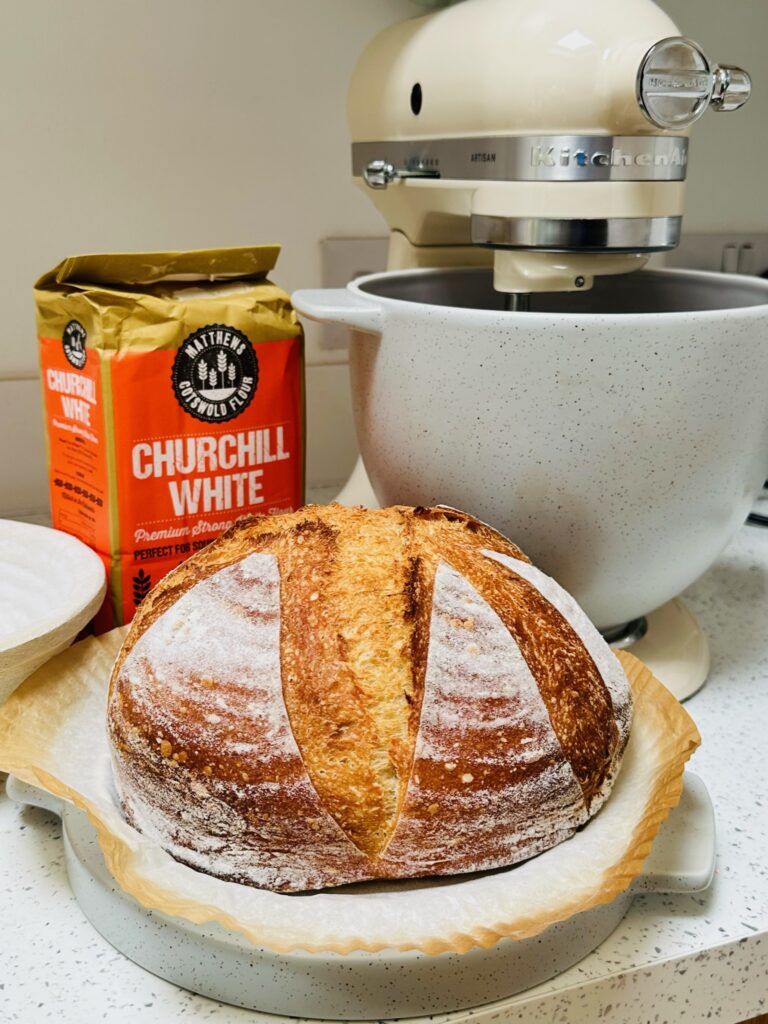
This loaf was made using my master recipe with the first mixes done in my KitchenAid mixer. The details below explain how I made it for anyone that would like to, or needs to, use a mixer when making my recipes.

Sourdough can be made in many ways, I love to make mine by hand, but sometimes using a mixer is useful when I have lots of doughs to make, or I want to give my arms a break; as always, there is no mess, no faff, no unnecessary steps with my process. Just simple straightforward steps.

You can use any size of KitchenAid mixer, I use the dough hook and the stainless steel mixing bowl that comes with the mixer, or a glass bowl, or the ceramic bread bowl, and bake in my usual enamel roaster.

You can follow the same method using whatever food mixer you have, I’ve also followed the same tips below using an Ankarsrum Assistent.

This is what I do:

*I use my standard master recipe with 50g starter and 500g flour, salt BUT with 325g water, NOT the full 350g. This is a very necessary step. If you use the full amount of water the dough will be very soft and hard to handle.
*I mix the ingredients with the dough hook on setting 1 for 4-5 mins.
*I take the dough hook out and place it in a covered bowl in between uses so that the dough does not dry on it.
*I then cover the bowl and let it sit on the counter for 1.5-2 hours, I then mix it again using the same dough hook on setting 1 for 3-4 mins. I cover the bowl again and let it sit.
*After an hour I perform a set of pulls and folds on the dough with the dough still in the mixer bowl. I cover the bowl again and let it sit.
*Before going to bed I do another set of pulls and folds then cover the bowl again and leave it to prove overnight.
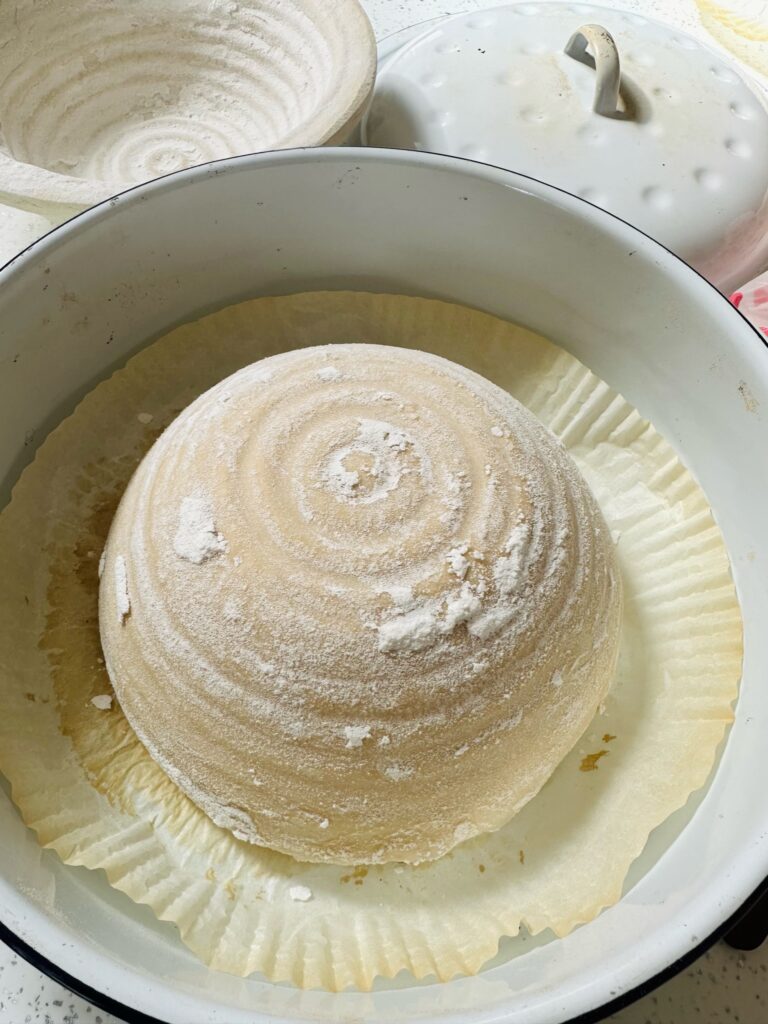
*In the morning, with the dough still in the mixer bowl, I pull the dough into a tight ball and place it into my usual banneton. Covered it and put it into the fridge.
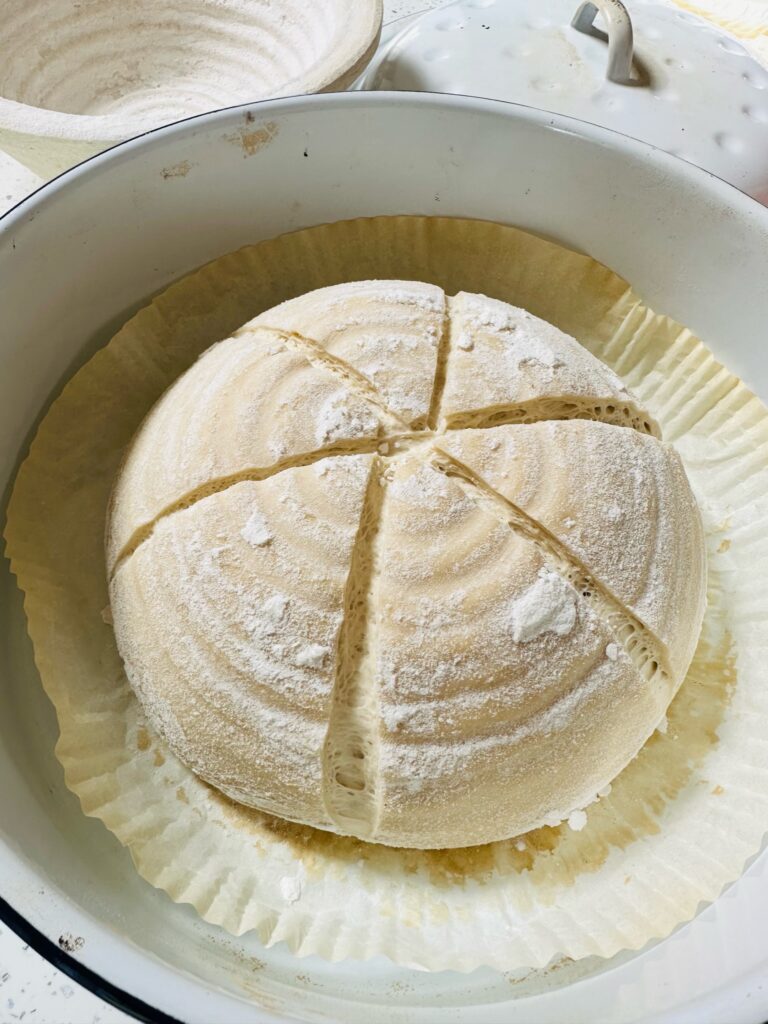
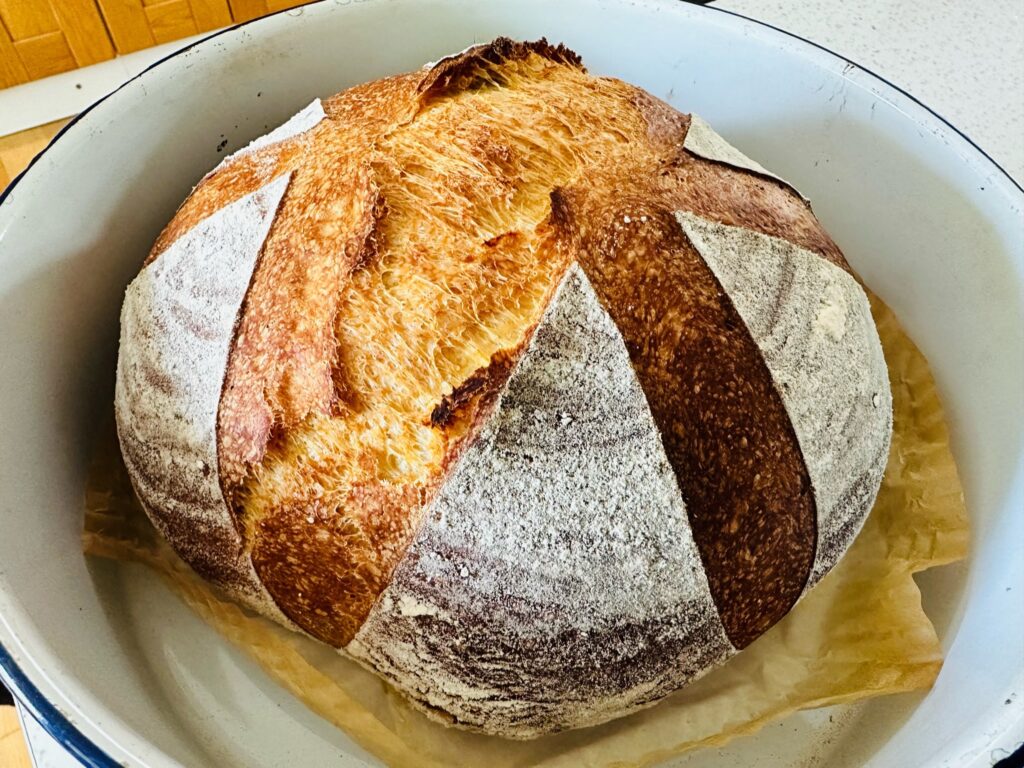
*After a few hours, I turn the dough out into my usual enamel roaster pan, scored, put the lid on and bake at 220C/450F fan/convection for 55 mins from a cold start, with the lid on the whole time.
*And the lovely loaf above and below is the outcome.

The proved dough in the morning
The dough turned out from the banneton
Scored
Baked

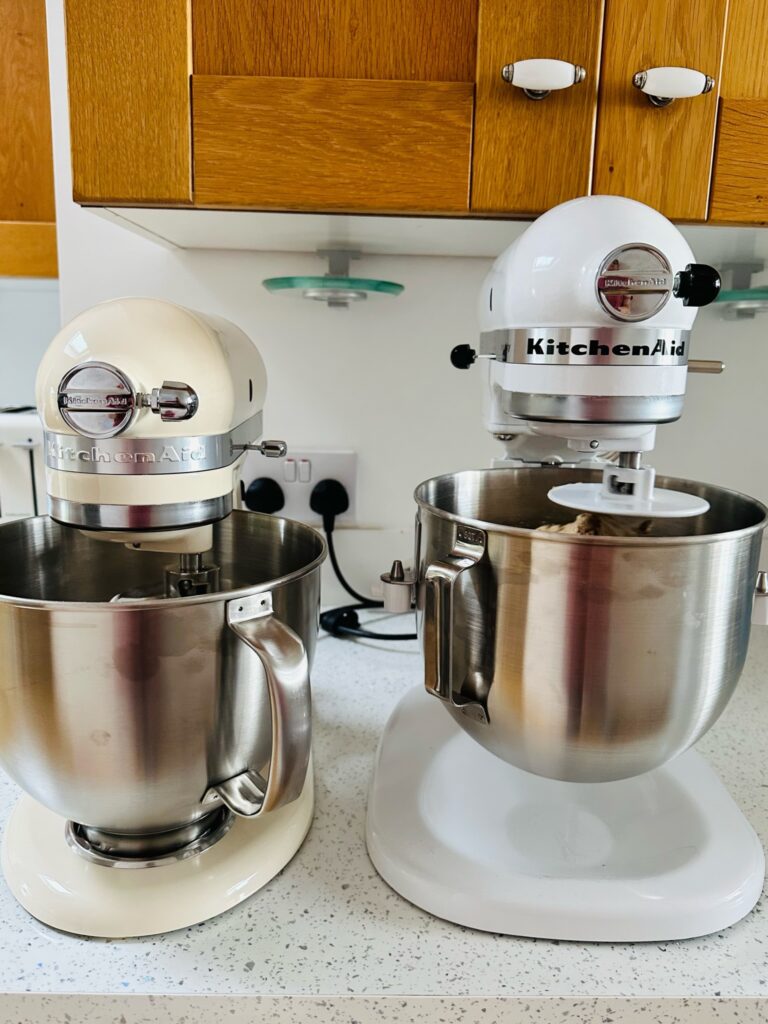
I made this loaf using my KA with the standard size 4.3l bowl. I also have a larger sized machine with a 4.8l bowl which is perfect for making 2 doughs at once and still all staying in the bowl the whole time, the double batch fits in it perfectly for mixing and proving. Or you can use whatever mixer you have.

My mixers

TOP TIP: soak your mixer bowl and dough hook in cold water to soak off any dough, not hot water, it will cook the dough onto the bowl.

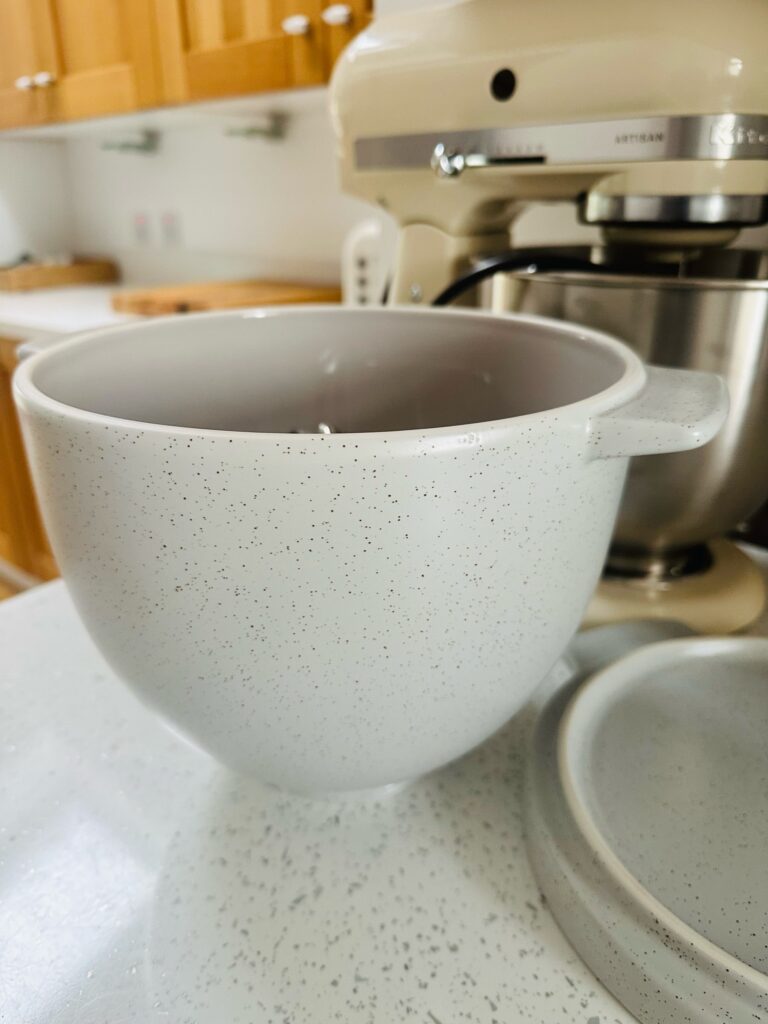
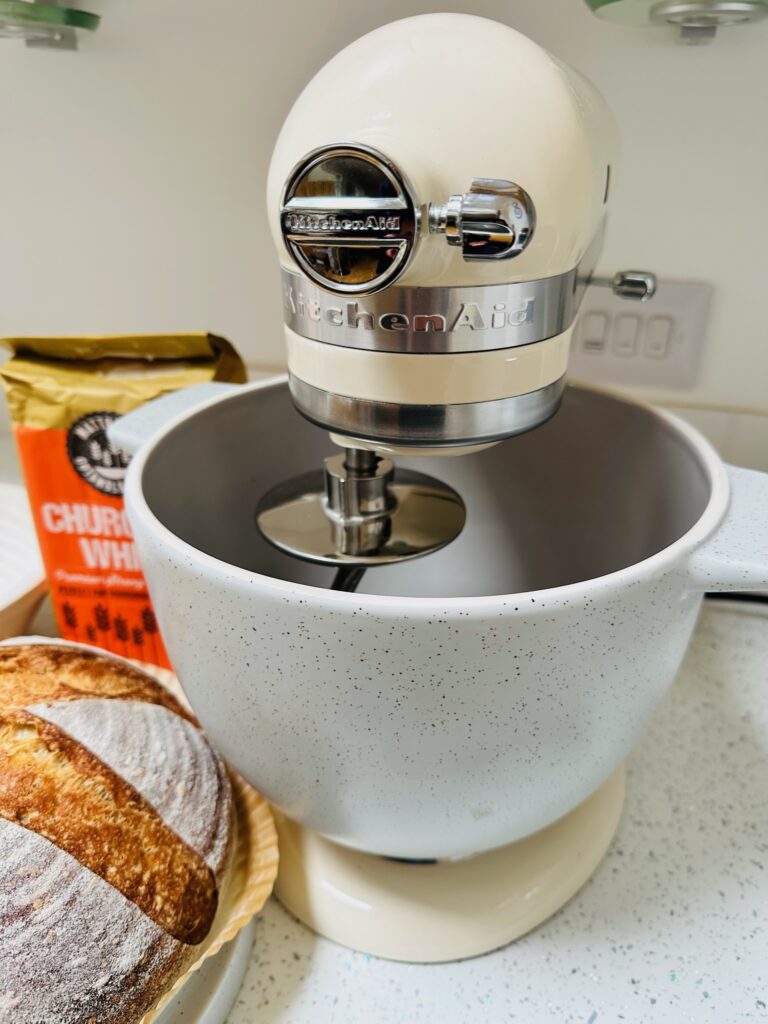
I also tested using the KitchenAid Bread Bowl with my master recipe and it works well!

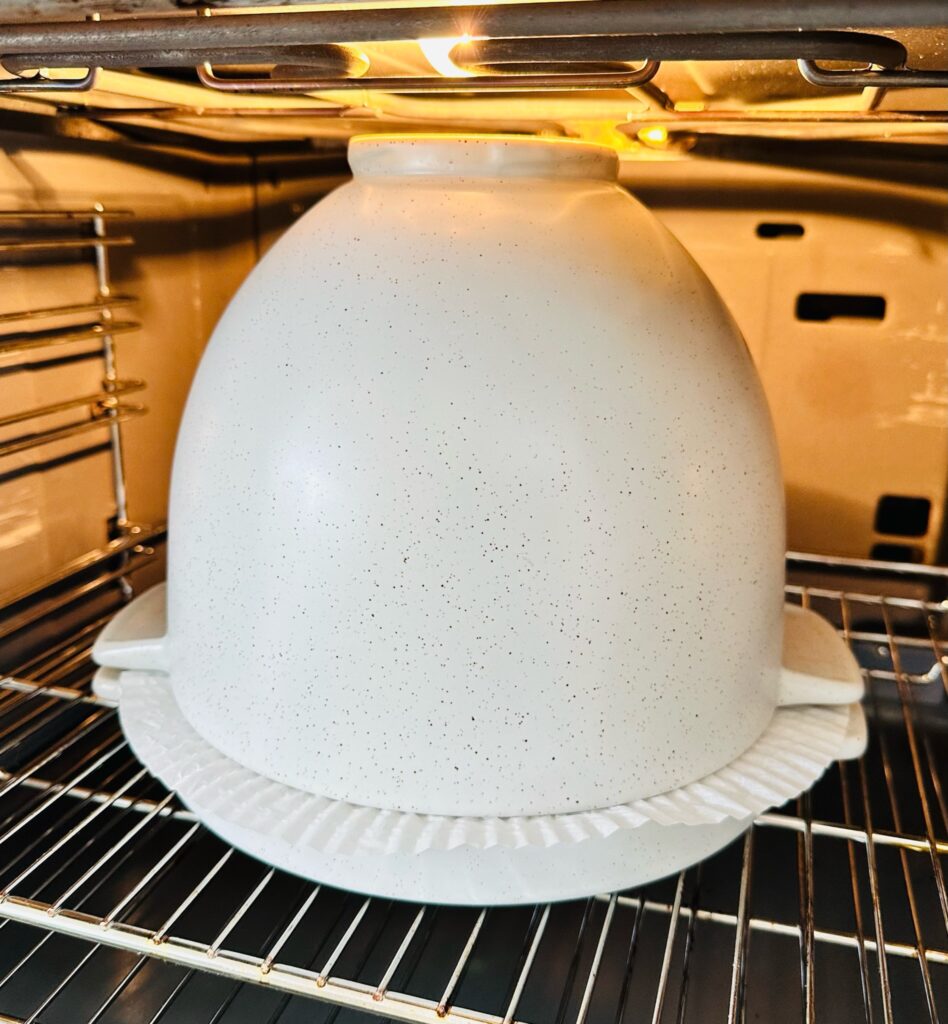
The ceramic finish is lovely, the dough does not stick at all, there are lines etched on the inside that are a very useful guide, AND once the dough has been proved in the banneton and in the fridge for a while, you turn the bowl over and bake in it. It works PERFECTLY from a cold start, and the size encourages a beautiful round loaf.

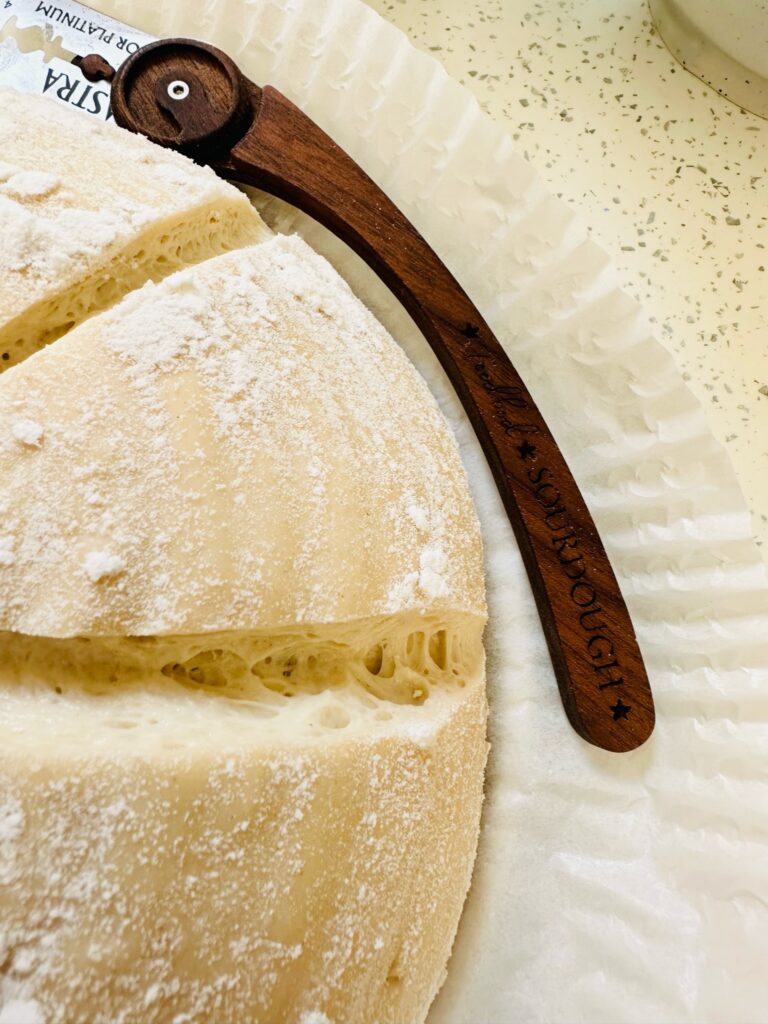
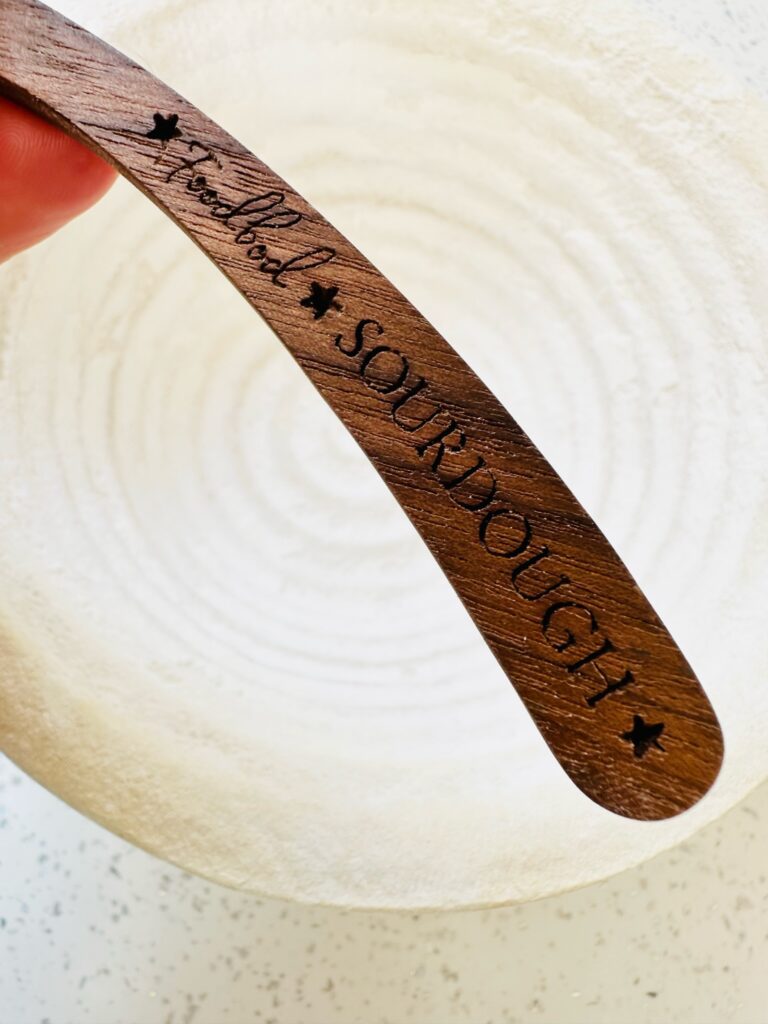
AND I used my brand new Foodbod Sourdough lame to score it.